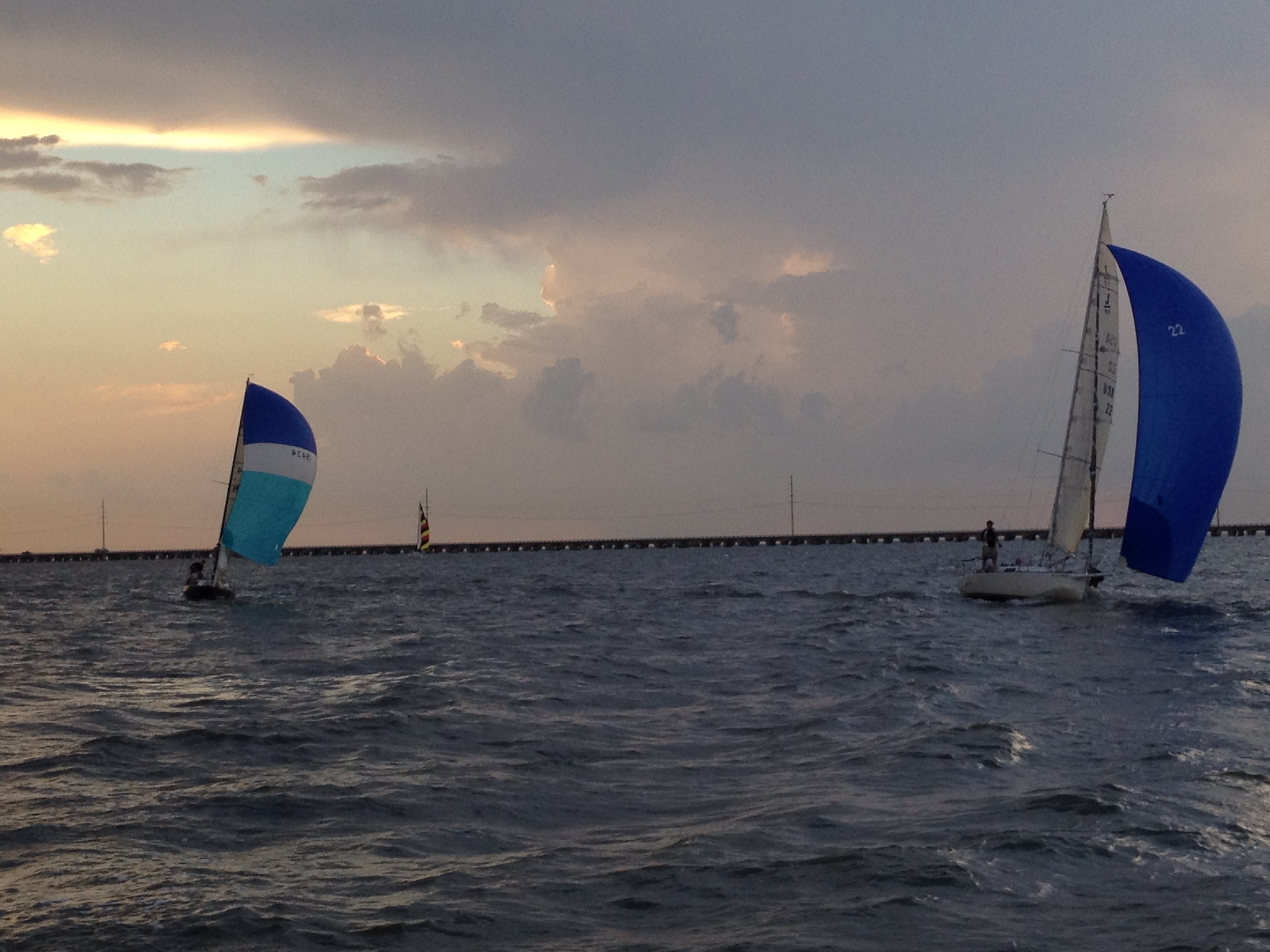
In the world of handicap sailboat racing, few topics generate as much dockside debate as rating systems. For decades, regional fleets across the United States have relied on systems like Performance Handicap Racing Fleet (PHRF), which assign a single rating number to a boat based largely on observed performance. While simple and accessible, the single-number approach has inherent limitations. In contrast, a Velocity Prediction Program (VPP) based rating system uses physics, naval architecture, and detailed boat measurements to generate performance predictions across a range of wind speeds and angles. The result is a more precise and equitable framework for modern racing.
At its core, a VPP analyzes a boat’s hull shape, displacement, sail plan, appendages, and stability to model how fast it should sail in specific conditions. Rather than assuming one rating fits all scenarios, a VPP produces different time allowances depending on wind strength and course configuration. This reflects the real-world truth that a light-displacement sprit boat may excel downwind in breeze, while a heavier cruiser-racer may perform better upwind in moderate air. By contrast, a single-number system like Performance Handicap Racing Fleet compresses all of that variability into one figure, inevitably favoring certain designs in certain conditions.
One major advantage of a VPP-based system is transparency and objectivity. Ratings are derived from measurable inputs rather than regional performance history or subjective adjustments. This reduces the perception of favoritism or politics, which can sometimes surface when local committees adjust ratings under a performance-based model. Because VPP calculations are rooted in naval architectural principles, competitors understand that the rating is based on how the boat is designed to perform—not how well a particular crew sailed last weekend.
Another benefit is fairness across diverse fleets. Modern racing fleets include everything from high-performance carbon racers to older production cruiser-racers. A single-number system often struggles to equalize such a wide design spectrum, especially as designs evolve. VPP systems, by modeling each boat individually, are better equipped to account for differences in hull efficiency, righting moment, and sail-carrying power. This allows cutting-edge designs and legacy boats to compete on a more level playing field without relying on retrospective adjustments.
VPP systems also adapt more naturally to different race formats. Whether the course is windward-leeward, distance racing, or a pursuit-style event, a VPP can score each configuration based on predicted performance in those specific conditions. A single-number handicap assumes an “average” course and wind range, which may not match the day’s actual race profile. As a result, boats that are disproportionately strong in certain angles or wind bands can gain structural advantages unrelated to crew skill. A VPP-based approach minimizes those distortions.
Finally, a VPP rating system aligns with the broader evolution of sailboat design and data analytics. As boats become more specialized and performance data more sophisticated, rating systems must keep pace. By leveraging science-based modeling, VPP frameworks provide a scalable, future-ready solution that supports competitive integrity and long-term fleet health. While single-number systems like Performance Handicap Racing Fleet have served grassroots racing well, a VPP-based approach offers greater precision, fairness, and confidence - qualities that are increasingly essential in today’s diverse and performance-driven racing environment.